
Find out whether tea or coffee has more caffeine and which is best for you.
Guest Post By: Kai Cromwell
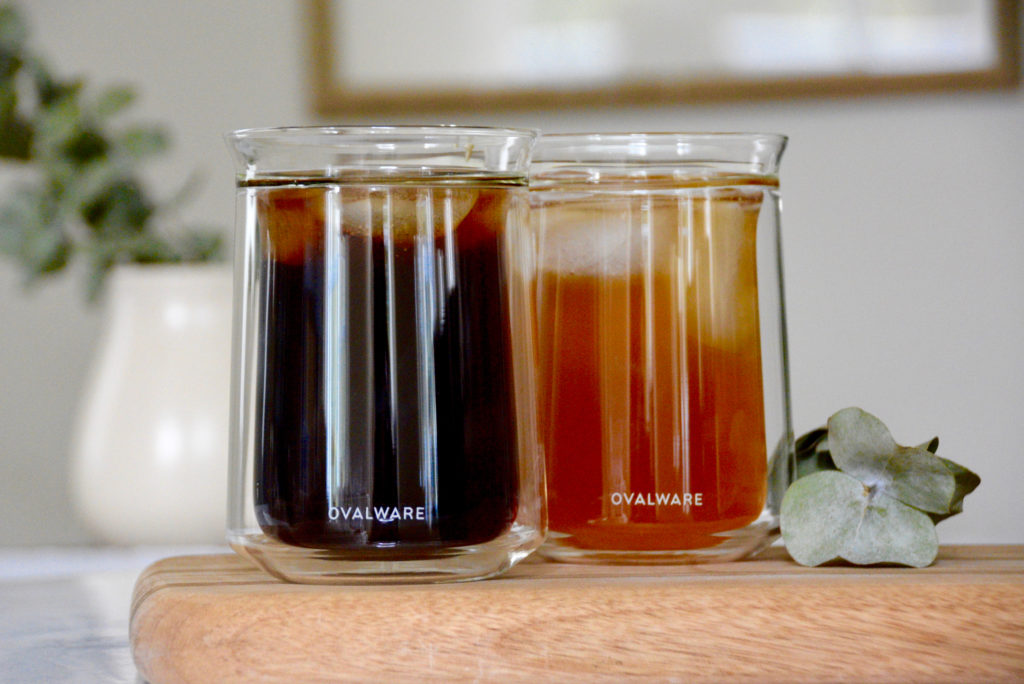
- Coffee and tea are two beloved beverages, but there are some pretty big differences between them.
- Caffeine content is one key factor that differentiates these two drinks.
- Coffee, in general, has more caffeine than tea, but it ultimately depends on a number of variables.
- Read on to learn how much caffeine is in your favorite beverage.
As you explore the world of coffee, you may also find yourself wondering if tea is a better option. Though we can’t make that decision for you, we can help guide you by explaining the differences between the two, specifically in regards to caffeine content.
This piece will break down the differences in energy levels between the two beverages as well as discuss the factors that affect exactly how much caffeine ends up in your cup.
The Basics of Caffeine
What is caffeine?
Caffeine is a natural stimulant that originates from the fruit, leaves, and beans of coffee, cacao, and guarana plants. It’s also found in tea leaves and Kola nuts. When consumed, caffeine stimulates the central nervous system, boosting alertness and reducing fatigue. It blocks adenosine receptors, increasing neurotransmitters like dopamine, which enhances cognitive function and mood.
Caffeine consumption, in moderate doses (200-400 mg/day), improves physical performance and focus. But excessive intake (>600 mg/day) often causes side effects like anxiety, insomnia, and elevated heart rate.
The most common sources of caffeine are coffee, tea, soft drinks, energy drinks, and chocolate. It’s also found in medicines like Excedrin, Anacin, and Midol, as well as dietary supplements that are meant to suppress hunger.
What influences caffeine content?
Caffeine content in beverages like coffee and tea can vary greatly, and are influenced by three factors: plant variety, processing methods, and brewing techniques.
Plant Variety – Different coffee beans and tea leaves contain varying levels of caffeine. For example, Robusta beans contain roughly twice as much caffeine as Arabica beans, whereas black tea is stronger than herbal tea blends, which contains no caffeine.
Processing Methods – Coffee endures a long process before it reaches your cup, and each stage can affect the amount of caffeine that you consume. In the case of light vs. dark roasts, for example, lighter roasts have slightly more caffeine than darker roasts. In the case of tea, black tea contains more caffeine than green tea because it undergoes full oxidation; green tea is only partially oxidized.
Brewing Technique – Even moments before your cup is filled, the caffeine content can change based on water temperature, steeping time, and the coffee or tea-to-water ratio.
Coffee vs. Tea: A Caffeine Comparison
Generally speaking, coffee contains higher levels of caffeine than tea. An average 8-ounce cup of coffee contains roughly 95 mg of caffeine, while an equivalent serving of tea has just 25-60 mg.
But these numbers aren’t absolute, as we just covered how bean or leaf variety, roasting methods, and even brewing techniques can affect the final caffeine content.
Furthermore, coffee & tea differ in their delivery methods. Despite the fact that caffeine has a half-life of 4-6 hours, you’ll notice a significant difference in your energy levels when comparing the two. Coffee delivers an instant kick and is known to cause “crashes” several hours later, while tea slowly disperses the caffeine throughout your system over the course of the day.
If the only factor you wish to consider is caffeine levels, coffee is your best bet. But to truly enjoy the riches of both, your choice should be guided by your own taste & cultural preferences, as well as caffeine sensitivity.
Caffeine in Coffee
Types of Coffee Beans and Their Caffeine Content
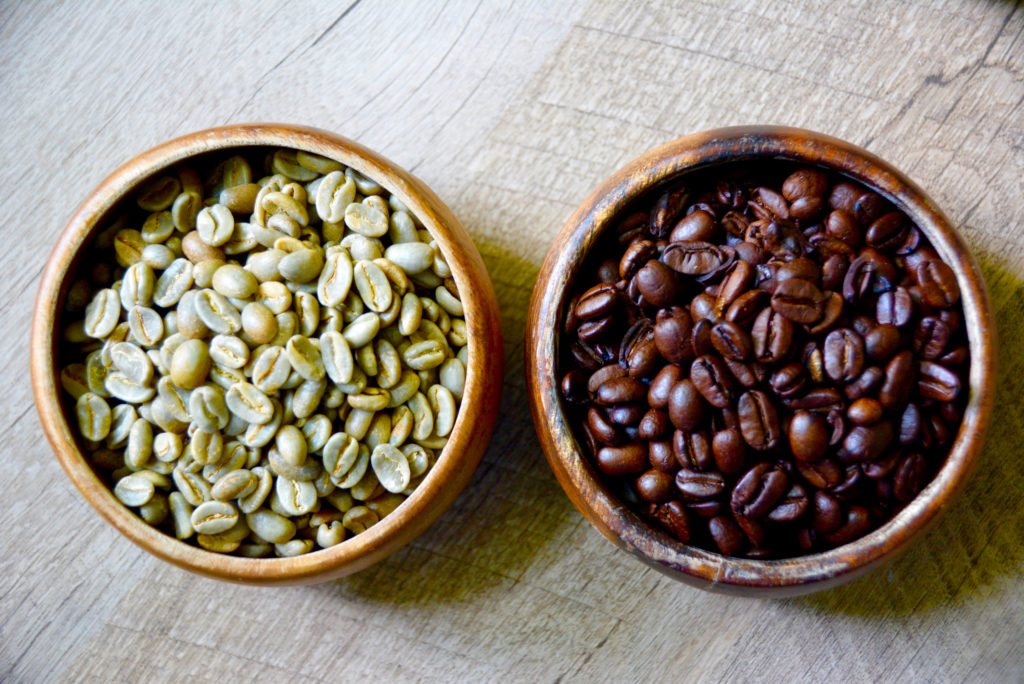
Coffee is a tropical plant that grows in warm, humid climates around the globe. And though there are an estimated 100 coffee species in the world, there are two that drive 99% of coffee consumption: Arabica and Robusta.
Arabica
Arabica beans account for 60-70% of global coffee production and are characterized by delicate, nuanced flavors, and lower acidity. They typically contain 1-2% caffeine by weight.
These beans are primarily grown in Central & South America, including Brazil, which is the world’s largest producer of Arabica.
Robusta
Robusta beans, on the other hand, comprise about 30-40% of global coffee production. They’re more bitter and robust in flavor, with higher acidity levels and a stronger, earthier taste. They have a higher caffeine content than Arabica, ranging between 2-2.7% by weight, which results in the increased bitterness.
Brewing Methods and Caffeine Levels
The most popular coffee brewing methods are drip coffee, espresso, French press, and cold brew, all of which affect caffeine levels differently.
Espresso – Originating in Italy, espresso is brewed by forcing hot water through finely-ground coffee under high pressure. The result is a small, yet concentrated liquid with rich flavor, containing about 63 mg of caffeine per 1 ounce.
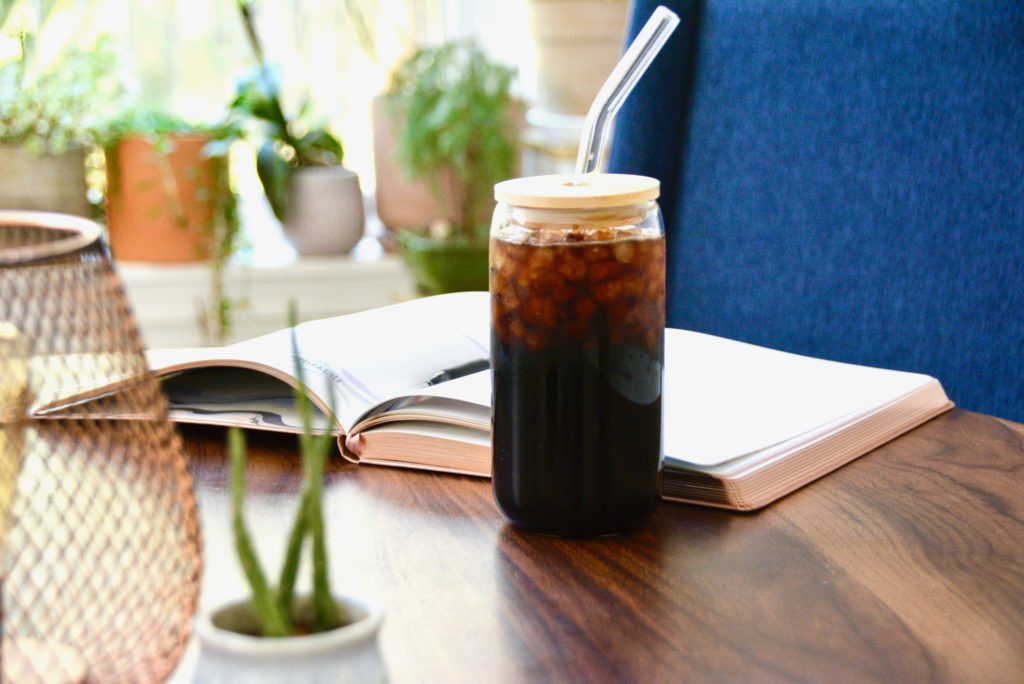
Cold Brew – A recently popularized technique, cold brew is prepared by soaking coarse coffee grounds in cold water for an extended period, at least 12-24 hours. The result is a smooth, less acidic coffee that averages between 100-200 mg of caffeine per cup.
Drip Coffee – Also known as filtered coffee, drip coffee is one of the most common brewing methods. Drip coffee makers, along with white coffee filters, are a staple in most American households. It works by passing hot water through coffee grounds that sit in a filter. Significantly weaker than espresso in terms of caffeine, a single 8-ounce cup contains roughly 95 mg of caffeine.
French Press – Also known as a press pot or plunger pot, the French Press method involves soaking coarsely-ground coffee in hot water before separating the grounds with a metal or nylon mesh plunger. The caffeine levels are similar to drip coffee, with 90-100 mg per 8-ounce cup.
Caffeine in Tea
Types of Tea and Their Caffeine Content
Tea is a subtropical plant that thrives in mild, humid environments in many global regions. There are two primary species that are responsible for the majority of global tea consumption, giving rise to popular teas such as green, black, white, and oolong.
Green Tea
Green tea is largely known for subtle flavors and its long list of health benefits. It’s made from unoxidized leaves and compared to other types of tea, involves the least amount of processing. One cup of green tea ranges between 25-45 mg of caffeine.
White Tea
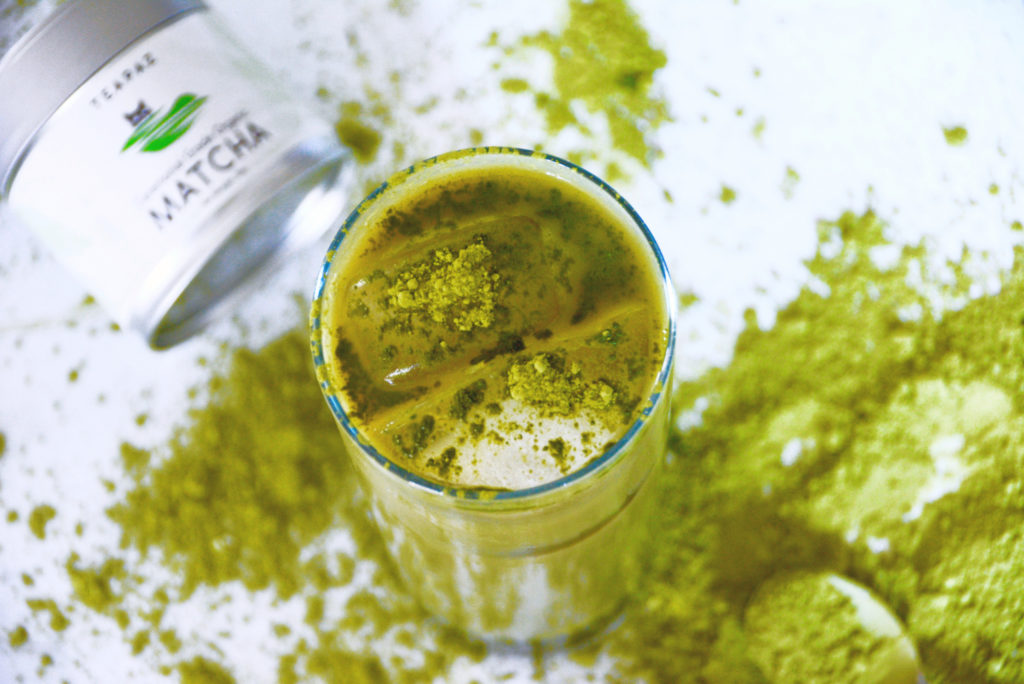
Similar to green tea, white tea is made with minimal processing and is the least oxidized of all types of tea. Made from young leaves and buds, its caffeine content is reflective of its production, containing just 15-30 mg per cup.
Oolong Tea
Oolong tea is a partially oxidized tea that many say tastes somewhere between green and black tea. So does its caffeine levels, with roughly 30-50 mg of caffeine per cup.
Black Tea
Black tea is the most common type of tea and undergoes a full oxidation process, resulting in a darker color and stronger flavor.
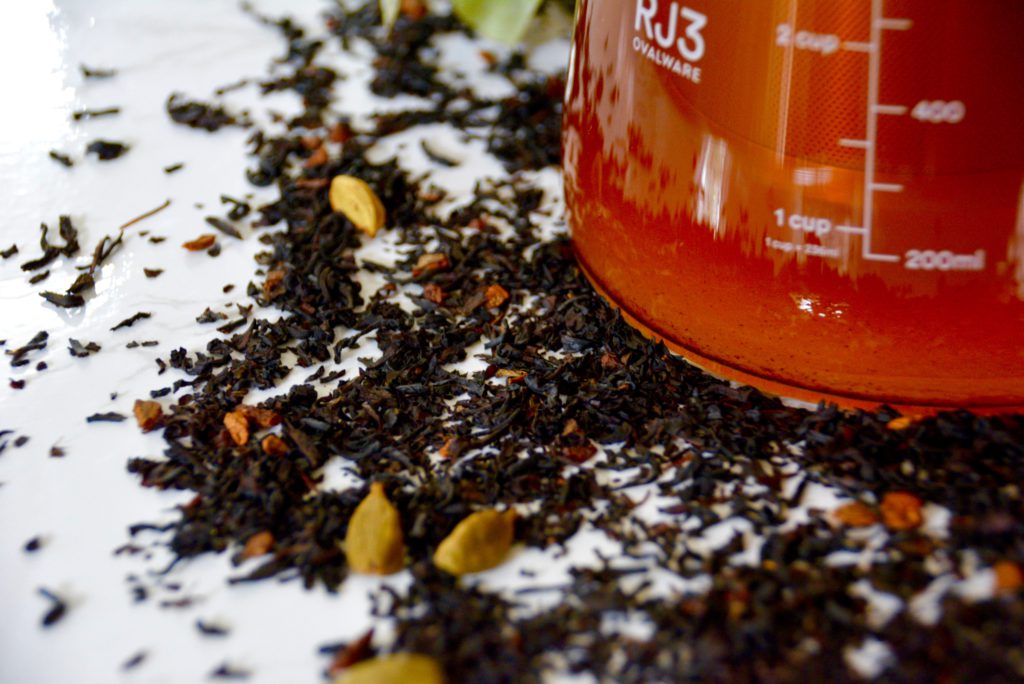
An 8-ounce cup of black tea typically contains 40-70 mg of caffeine, making it a popular choice among tea drinkers who want more energy.
Brewing Techniques and Caffeine Levels
Just like coffee, the tea brewing technique plays a major role in the amount of caffeine that’s poured into your cup, primarily influenced by steeping time, water temperature, and tea-to-water ratio.
Steeping Time – The longer that tea is steeped, the greater the caffeine content. So for example, a 3-minute steep may yield just 20-40 mg of caffeine, while a 5-minute steep can increase the caffeine levels to 40-60 mg per 8-ounce cup. This process is not infinite, however, as there are diminishing returns as the steeping duration lengthens.
Water Temperature – Higher water temperatures promote better caffeine release from tea leaves. So generally, a tea brewed at 200°F will be stronger (in terms of caffeine) than a tea brewed at 175°F.
Tea to Water Ratio – This is simply the amount of tea leaves used per volume of water, which directly affects the caffeine concentration in your cup. Using more tea leaves increases the caffeine content, while using fewer leaves results in a lower caffeine concentration.
Ultimately, coffee generally contains more caffeine than tea. But the specific levels can be affected by factors like bean or leaf variety, processing methods, and brewing techniques. And your choice of coffee or tea may even change based on the time of year or even time of day.
Want to brew barista-level coffee at home?
Join my newsletter to receive my free home-brewing guide. PLUS, you’ll get instant access to ALL freebies in my resource library including bonus recipes, pairing ideas, and more brew guides!


Leave a Reply